The CAISO's 2027 Flexible Capacity Filing: Solar Drives 84% of the Ramp, Battery EFC Methodology Unresolved
The CAISO filed its Final 2027 Flexible Capacity Needs Assessment at the CPUC on May 13, providing the technical basis for flexible capacity obligations in the 2027 RA compliance year.
The CAISO made no changes from its March draft and the filing drew no stakeholder comments. System-wide needs peak in March at 30,378 MW and bottom in December at 25,060 MW. The CAISO retains its three-category framework: base flexibility at 27% of total need in non-summer months and 42% in summer, peak at 68% and 53% respectively, with super-peak fixed at 5% year-round. For CPUC-jurisdictional LSEs, monthly obligations run from 23,824 MW in December to 29,064 MW in March.
Table 4 shows solar driving the maximum three-hour net-load ramp in every month of 2027.
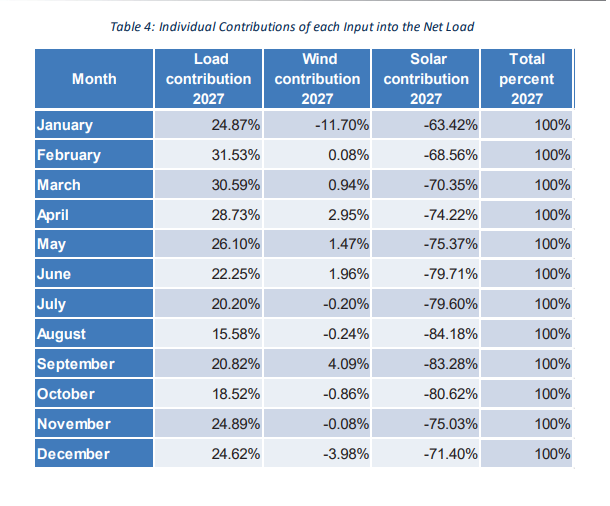
August solar contribution reaches 84.18%. The ramp is a sunset problem. The CAISO states this plainly and anticipates continued solar dominance as utility-scale and behind-the-meter penetration grows.
The battery Effective Flexible Capacity methodology is the filing's unresolved question. The CAISO states that battery charging in Effective Flexible Capacity accreditation "may be over-credited" in most months outside spring, because batteries are transitioning from charging to discharging during the same ramp window flexible capacity is designed to address. The CAISO identifies the problem and defers it, citing unresolved Local Regulatory Authority battery-mapping data.
INSTANT ANALYSIS: The CAISO has identified battery over-crediting as a potential problem, and that acknowledgment creates a procedural record. The next questions are whether the CPUC addresses the issue in the Resource Adequacy docket, whether parties press for methodology revisions in the 2028 cycle, or whether the CAISO's ongoing Flex RA working group moves first. The mapping-data rationale buys one cycle. As storage penetration rises, pressure to reconcile accredited flexibility with actual operational behavior during evening ramps will grow.
Last, as solar dominance of the three-hour ramp deepens, procurement pressure continues shifting toward resources that are capable of responding during compressed evening windows. The CAISO's category percentages have moved in that direction for four consecutive years.